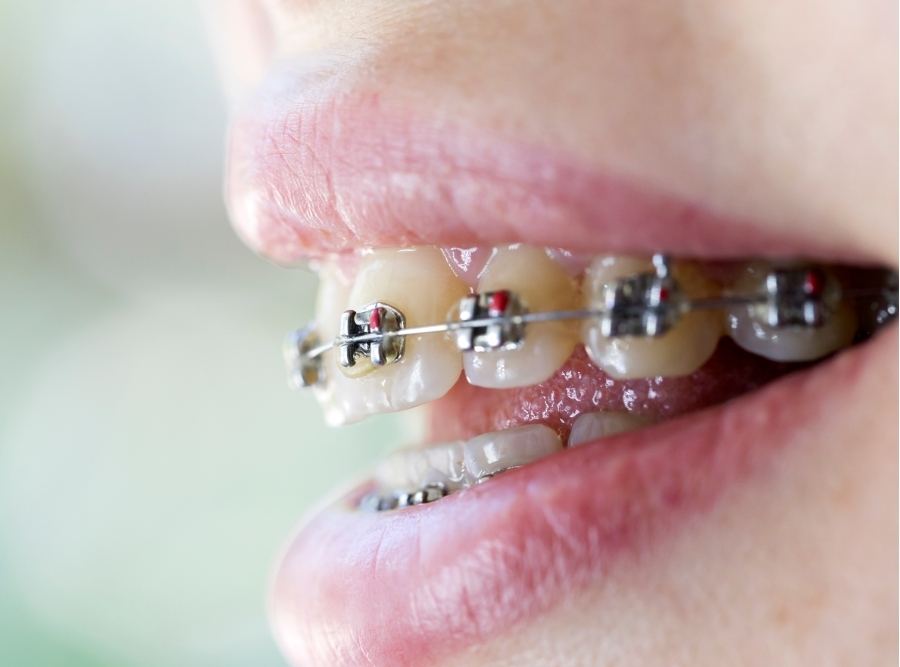
One of the most alarming moments during orthodontic treatment happens unexpectedly, usually while brushing, eating, or lightly touching a tooth.
“My tooth feels loose.”
For many patients, that single thought triggers instant panic. Concerns spiral quickly:
Is something wrong? Did I damage my tooth? Is it going to fall out? Should I call the office right now?
Here’s the reassuring truth: a mild feeling of looseness during braces or clear aligners is usually normal and often a sign that treatment is working exactly as it should.
Let’s break down why this happens, what’s normal versus concerning, and when you should (and shouldn’t) worry.
The “Loose Tooth” Fear—And Why Patients Notice It
Most adults haven’t experienced loose teeth since childhood, so when it happens during orthodontic treatment, it can feel alarming or even scary. That sudden awareness is often what causes concern, especially when everything seemed fine before treatment began.
Patients tend to notice this looseness while brushing or flossing, when biting into food, after an adjustment or switching aligner trays, or even when gently pressing on a tooth with their tongue. The sensation may be very subtle, like a slight wiggle, or more noticeable than expected, but either way it’s enough to raise red flags for many patients.
The most important thing to understand is that orthodontic treatment is designed to move teeth, and that movement requires temporary looseness. In most cases, this feeling is a normal and expected part of the process—not a sign that something is wrong.
Orthodontic Biology—Bone Remodeling, Explained Simply
To understand why teeth can feel loose, it helps to know how braces and aligners actually work.
Teeth aren’t fused to your jawbone. Instead, they sit in sockets surrounded by a flexible tissue called the periodontal ligament. This ligament acts like a shock absorber and allows teeth to move safely.
Here’s what happens during treatment:
- Braces or aligners apply gentle, controlled pressure
- That pressure signals the body to break down bone on one side of the tooth
- New bone forms on the opposite side as the tooth shifts
- The tooth temporarily feels less stable during this process
This process is called bone remodeling, and it’s essential for orthodontic movement.
In simple terms: Your body is loosening the tooth on purpose so it can move into a healthier position then it tightens everything back up once the tooth settles.
What “Normal Loose” Feels Like vs. What’s Concerning
Not all looseness feels the same, and knowing the difference can bring peace of mind.
Normal looseness often feels like:
- A slight wiggle when touched
- A tooth feeling “off” or different when biting
- Mild tenderness along with pressure
- Looseness that comes and goes
This type of looseness is temporary and usually resolves as your teeth adjust.
Concerning looseness may include:
- A tooth that visibly moves side to side easily
- Sharp or worsening pain
- Swelling, bleeding, or pus around the gum
- A tooth that suddenly feels extremely unstable
- Trauma from an accident or hard impact
If looseness is paired with pain, swelling, or injury, it’s important to contact your orthodontic office promptly.
When Looseness Is More Noticeable (And Why)
There are certain times during treatment when teeth are more likely to feel loose. This doesn’t mean anything is wrong, it usually means movement is happening.
After Adjustments
Braces adjustments increase pressure to continue tooth movement. It’s common to feel pressure, soreness, and temporary looseness. These sensations typically peak within a few days and then fade.
After Switching to a New Aligner Tray
Clear aligners work by applying incremental force. Each new tray restarts the movement process, which can briefly increase looseness or tenderness.
During Major Bite Changes
If your treatment involves bite correction, elastics, or jaw repositioning, teeth may feel more mobile during these phases.
In Areas of Crowding or Rotation
Teeth that are crowded or rotating often feel looser because they’re undergoing more active movement.
How to Protect Your Teeth During Orthodontic Treatment

While looseness is usually normal, good habits help protect your teeth while they’re moving.
Choose Softer Foods
Especially after adjustments or tray changes, opt for:
- Yogurt
- Eggs
- Pasta
- Soft vegetables
- Smoothies
Avoid biting directly into hard or crunchy foods.
Avoid Using Teeth as Tools
No opening packages, biting pens, or tearing tape, this puts unnecessary stress on moving teeth.
Be Gentle When Brushing and Flossing
Good hygiene is essential, but aggressive brushing can irritate gums and make teeth feel more sensitive.
Wear Elastics and Aligners as Directed
Skipping wear can cause teeth to move inconsistently, increasing discomfort and prolonging instability.
When to Call the Office Immediately
While most looseness is harmless, some situations require prompt attention.
Call your orthodontic office if:
- A tooth feels extremely loose or painful
- You experience sudden swelling or bleeding
- A tooth was hit or injured
- A bracket or appliance is causing trauma
- Looseness worsens instead of improving
Orthodontic teams would always rather reassure you than have you worry at home.
Frequently Asked Questions
The Big Picture: Trust the Process
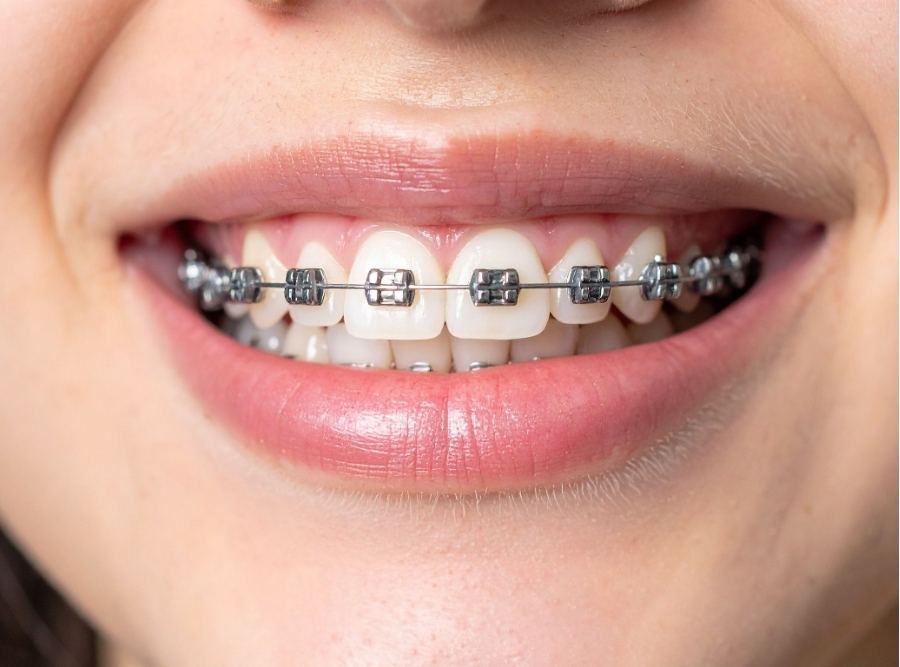
Orthodontic treatment is a carefully controlled biological process. Teeth don’t slide through bone like objects on a shelf, your body actively reshapes itself to make movement safe and stable.
That temporary feeling of looseness can be unsettling, but in most cases, it’s simply a sign that your smile is progressing exactly as planned.
Peace of Mind, Every Step of the Way
Feeling a little tooth movement during braces or aligner treatment can be unsettling, but it is often a normal part of the orthodontic process. As your teeth shift, your body is remodeling bone and helping your smile move into a healthier position.
At Miler Orthodontics, patients choose our team because we explain what is normal, what needs attention, and how to feel confident throughout treatment. Whether you are wearing braces, Invisalign, or another clear aligner system, we are here to answer questions and guide you through each stage.
If your teeth feel loose or something does not feel right, contact Miler Orthodontics or bring it up at your next visit. We will help you understand what is happening and make sure your treatment stays on track.