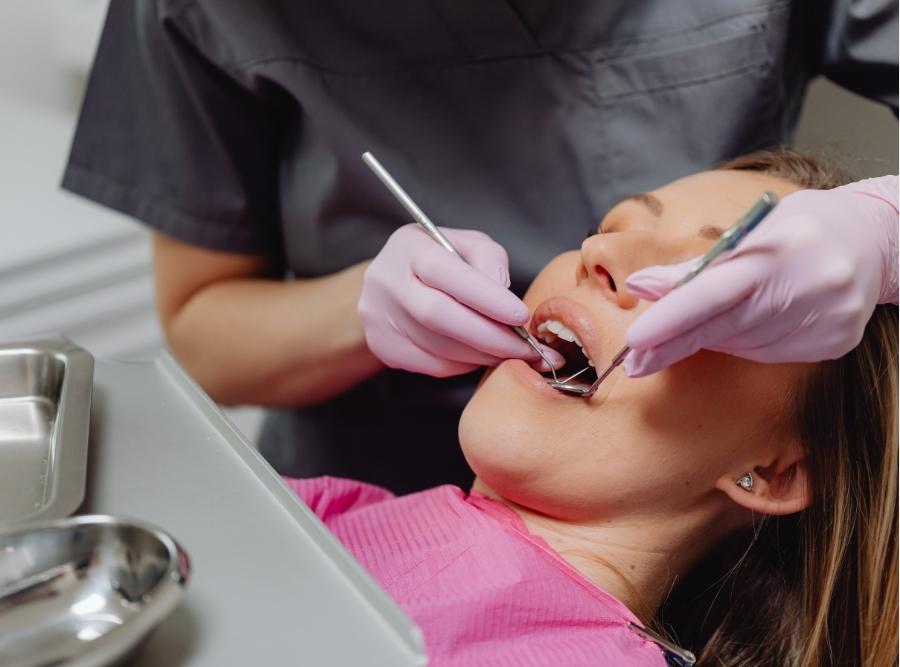
Quick Answer: Orthodontic emergencies generally fall into two groups: true medical or dental emergencies and urgent appliance problems. Broken brackets, poking wires, loose bands, and damaged retainers usually require a call to your orthodontist, while heavy bleeding, difficulty breathing or swallowing, major facial trauma, or a knocked-out permanent tooth may need immediate emergency care. Miler Orthodontics serves patients throughout the Lowcountry, and this guide explains when to call, when an issue can wait, and when to seek urgent help.
When Should You Call Your Orthodontist Right Away?
Call your orthodontist when an appliance breaks, shifts, becomes painful, or begins irritating the inside of your mouth. A broken bracket, loose band, poking wire, cracked retainer, or damaged aligner may not be a medical emergency, but it can affect comfort or interfere with treatment if it is ignored.
The American Association of Orthodontists recommends informing your orthodontist about loose brackets, displaced wires, broken aligners, and similar appliance problems rather than simply waiting for the next scheduled visit. The office can then determine whether the problem needs prompt attention or can be managed temporarily.
| Situation | What It Usually Means | Appropriate Next Step |
|---|---|---|
| Broken or loose bracket | Appliance problem that may irritate the mouth or affect treatment | Contact your orthodontist for guidance |
| Poking or loose wire | Wire is rubbing the cheek, lip, or gums | Use orthodontic wax temporarily and call if irritation continues |
| Broken retainer or aligner | Appliance is cracked, warped, sharp, or no longer fits | Stop forcing it into place and contact your orthodontist |
| Mild soreness after an adjustment | Common response to orthodontic pressure | Monitor it while the mouth adjusts |
| Heavy bleeding, breathing difficulty, major facial trauma, or a knocked-out permanent tooth | Possible medical or dental emergency | Seek immediate emergency medical or dental care |
If the problem involves a damaged appliance, persistent irritation, or another urgent orthodontic concern, Miler Orthodontics’ emergency orthodontics information can help explain what may need professional attention.
What Should You Do If a Bracket or Band Breaks?
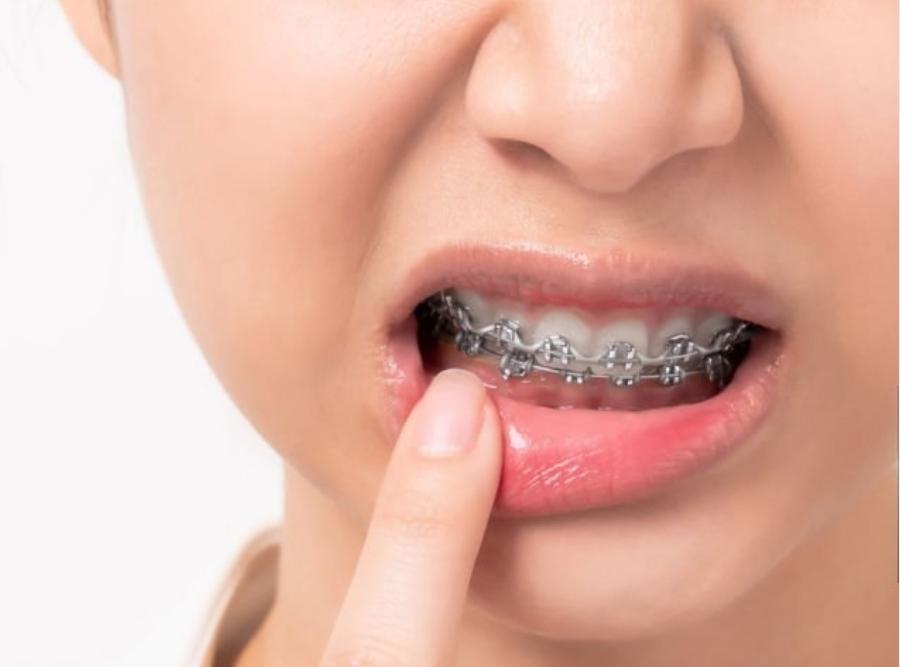
A bracket may separate from the tooth while remaining attached to the archwire. Avoid pulling, twisting, or trying to glue it back onto the tooth. If the bracket rubs against the cheek or lip, orthodontic wax can create a smoother surface until you receive instructions from your orthodontist.
A loose band should also be left alone rather than pushed or removed at home. Avoid foods that could pull on the appliance until it can be evaluated. If a bracket or band comes completely loose, keep the piece rather than throwing it away in case your orthodontist wants to examine it. The AAO recommends reporting broken or loose brackets because damaged appliances can interfere with treatment.
How Should You Handle a Poking Wire?
A wire may begin poking when it shifts or extends beyond the last bracket. If it moves easily, a clean cotton swab or the clean eraser end of a pencil may be used to gently guide the wire closer to the tooth. Orthodontic wax can then cover the sharp area and reduce irritation.
A warm salt-water rinse may also soothe tissue irritated by a bracket or wire. Do not force a wire that does not move easily. If it continues cutting the cheek or gums, cannot be covered comfortably, or causes significant pain, contact your orthodontist for instructions.
What Should You Do If a Retainer or Aligner Breaks?
A cracked, warped, or poorly fitting retainer or aligner should not be forced into place. A damaged appliance may no longer fit the teeth correctly, and a rough or sharp edge can irritate the cheeks, gums, or tongue.
Keep the appliance and contact your orthodontist rather than trying to reshape or repair it yourself. Do not automatically switch to an older retainer or previous aligner tray unless your orthodontist recommends it, because an older appliance may no longer match the current position of your teeth.
When Is Braces Soreness More Than Normal Discomfort?
Mild soreness can occur after braces are first placed or adjusted. The AAO notes that tenderness commonly lasts for the first few days while the teeth and mouth adjust to orthodontic pressure. Soreness that gradually improves is different from sudden, sharp, severe, or worsening pain.
Contact your orthodontist when discomfort is unusual, persistent, or connected to a damaged appliance. Significant swelling, fever, uncontrolled bleeding, difficulty breathing or swallowing, or major facial trauma can indicate a problem that needs more urgent medical or dental evaluation.
When Does an Orthodontic Problem Need Emergency Medical or Dental Care?
Some situations go beyond an orthodontic appliance problem. Heavy or uncontrolled bleeding, difficulty breathing or swallowing, a suspected broken or dislocated jaw, major facial trauma, or a permanent tooth that has been knocked out or severely displaced should receive immediate medical or dental attention. Severe pain accompanied by facial swelling, fever, or signs of infection also warrants urgent evaluation.
In these situations, address the immediate injury or health concern first. After the person is safe and the urgent dental or medical problem has been evaluated, an orthodontist can check whether braces, wires, or another appliance also need repair.
How Can You Reduce the Risk of Orthodontic Problems?
Careful habits can reduce common problems with brackets, wires, and other appliances. Hard, sticky, and chewy foods can place extra stress on braces, while direct impact during sports can damage appliances or injure the mouth. Wearing an appropriate mouthguard during sports can help protect both the teeth and orthodontic appliances.
Keeping orthodontic wax available can also make minor irritation easier to manage until you receive professional advice. Regular orthodontic appointments remain important because they allow loose or damaged components to be identified before they become more uncomfortable.
Frequently Asked Questions About Orthodontic Emergencies
Need Help With an Orthodontic Emergency?
Dealing with a broken bracket, poking wire, damaged retainer, or unexpected orthodontic pain? Don’t wait for the problem to become more uncomfortable. Contact Miler Orthodontics for guidance and find out whether you need an earlier appointment. Call the Bluffton office at 843-815-2521 or the Beaufort office at 843-379-9200.