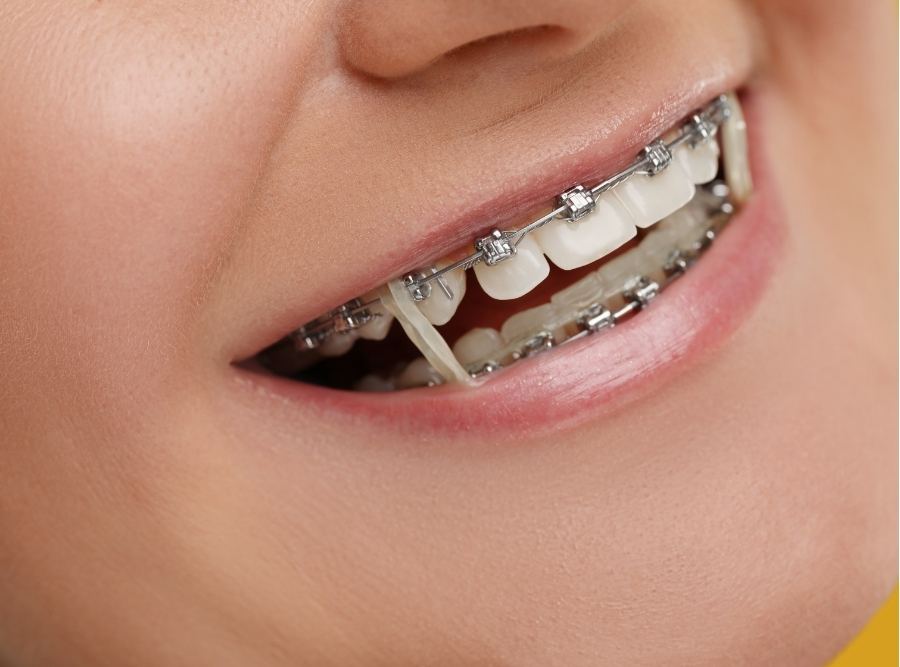
If you’ve been told to wear rubber bands with your braces or clear aligners, you’re not alone in feeling confused. Patients ask about elastics all the time:
What do they actually do? Why do I need them if my teeth look straight? What happens if I forget them for a day… or three?
The truth is, rubber bands, also called orthodontic elastics are one of the most powerful tools in orthodontic treatment. They may be small, but they play a huge role in correcting how your upper and lower jaws fit together, not just how straight your teeth look.
In this guide, we’ll break everything down in plain English so you know exactly what elastics do, why they matter, and how to use them correctly to get the best possible results from your treatment.
Why Elastics Are the “Secret Weapon” in Bite Correction
Braces and aligners are excellent at straightening teeth. But straight teeth alone don’t guarantee a healthy bite.
Your bite—how your top and bottom teeth come together when you close your mouth, is just as important as aesthetics. A poor bite can cause:
- Uneven tooth wear
- Jaw discomfort or tension
- Difficulty chewing
- Speech issues
- Long-term damage to teeth and joints
This is where elastics come in.
Rubber bands apply controlled, continuous force that helps guide your jaws into a healthier relationship. They fine-tune how everything fits together, especially in the final stages of treatment.
Think of braces or aligners as organizing the individual pieces, and elastics as making sure the puzzle actually fits.
What Elastics Do (Hint: It’s More Than Just Moving Teeth)

One of the biggest misconceptions is that rubber bands simply help straighten teeth faster. In reality, their main job is bite correction, not tooth alignment.
Elastics help by:
- Adjusting how the upper and lower jaws relate to each other
- Improving the way teeth meet when biting or chewing
- Stabilizing the final position of your teeth
- Preventing relapse after teeth are straightened
While elastics do affect tooth movement, their real power lies in influencing jaw positioning over time. This is especially important in teens and young adults but can be effective at any age when worn properly.
Skipping elastics is like building a house and deciding not to level the foundation—it might look fine at first, but problems show up later.
Common Elastic Patterns
Orthodontists use different elastic patterns depending on the bite issue being corrected. While the names may sound technical, the concepts are simple once you understand them. Your orthodontist chooses your elastic pattern very intentionally. Wearing the wrong configuration or skipping them can delay progress or even move things in the wrong direction.
Class II Elastics (Overbite Correction)
Class II elastics are used to correct an overbite, which happens when the upper teeth sit too far forward compared to the lower teeth. These elastics usually run from the upper front teeth to the lower back teeth and work by gently encouraging the lower jaw to move forward or the upper jaw to shift back. In simple terms, they help bring the top and bottom teeth into better front-to-back alignment.
Class III Elastics (Underbite Correction)
Class III elastics address an underbite, a condition where the lower teeth sit too far forward compared to the upper teeth. They typically run from the lower front teeth to the upper back teeth, guiding the bite backward into a more balanced position. Put plainly, they help reduce an underbite and improve how the teeth meet when you bite down.
Triangle Elastics
Triangle elastics are used to close small gaps and improve how groups of teeth come together. They are worn in a triangle shape across three teeth, often near the canines and premolars, to help those teeth settle into the correct position. In everyday terms, they fine-tune your bite so teeth fit neatly together.
Box Elastics
Box elastics are used to correct open bites or areas where the teeth don’t touch properly. They form a box shape across multiple teeth and work by bringing the teeth together vertically. Simply put, they help your teeth meet evenly so biting and chewing feel more comfortable and natural.
What Happens If You Skip Days (And Why Consistency Matters)
This is one of the most important sections and the one many patients underestimate.
Rubber bands only work while they’re being worn. The force they apply needs to be consistent to guide movement effectively.
If you skip elastics:
- Teeth and jaws can drift back toward their original position
- Progress slows significantly
- Treatment time increases
- Bite correction may become more difficult later
- You may need to wear elastics longer overall
Even skipping one or two days can cause your teeth to “forget” the progress made, forcing your orthodontist to backtrack.
Think of elastics like physical therapy for your bite. Doing exercises once a week won’t help—daily consistency is key.
Best Practices for Elastic Success
Wearing elastics doesn’t have to be complicated, but it does require good habits.
Change Them as Directed
Most elastics lose their strength within just a few hours, which is why orthodontists often recommend changing them once or even multiple times per day. Fresh elastics provide the right amount of force, while worn-out ones don’t do much at all. Simply put, new elastics equal effective progress.
Carry Extras Everywhere
Elastics can break or get lost at the worst times, so it helps to be prepared. Keep spare elastics in places you’re often—your backpack or purse, your car, your desk at work or school, and your bathroom. Having extras on hand means a missing elastic never turns into a skipped day.
Use Reminders
Life gets busy, and it’s easy to forget elastics, especially at first. Using phone alarms, sticky notes, or habit-tracking apps can make a big difference. You don’t have to be perfect, but staying consistent matters far more than occasional slip-ups.
Wear Them Exactly as Instructed
Different elastic patterns create different forces, and even small changes can affect how your teeth move. Never guess or adjust the placement on your own. If you’re unsure, ask your orthodontist—wearing elastics correctly is just as important as wearing them at all.
Pain and Pressure: What’s Normal vs. What’s Not
Some discomfort is expected when you start wearing elastics or switch to a new pattern.
Normal sensations include:
- Tightness or pressure
- Mild soreness in the jaw or teeth
- A “pulling” feeling when opening your mouth
This usually improves within a few days as your mouth adapts.
What’s NOT normal:
- Sharp or severe pain
- Pain that worsens after several days
- Jaw locking or intense clicking
- Elastics cutting into gums or cheeks
If something doesn’t feel right, don’t push through it—call your orthodontic office.
Frequently Asked Questions About Elastics
Why Elastics Can Make or Break Your Results
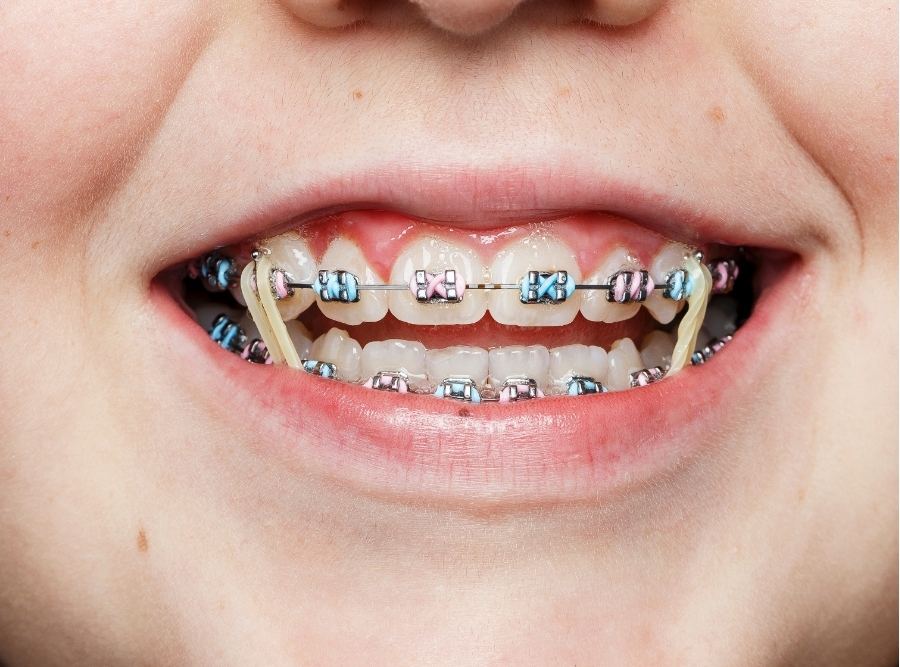
Orthodontic treatment is a partnership. Your orthodontist provides the plan, tools, and expertise but your consistency determines how smoothly treatment goes.
Patients who wear elastics as instructed often:
- Finish treatment sooner
- Achieve better bite alignment
- Experience fewer adjustments or setbacks
- Have more stable long-term results
Elastics may not be glamorous, but they are one of the most important steps toward a healthy, functional smile.
Ready to Take the Next Step?
Rubber bands may seem like a small part of orthodontic treatment, but they play an important role in helping your bite fit correctly. When elastics are worn as directed, they can help treatment stay on track, improve long-term stability, and support a healthier final result.
At Miler Orthodontics, patients and families choose our team because we explain each step clearly and make treatment feel easier to manage at home. Whether you are wearing braces or clear aligners, we will show you exactly how to use elastics, what to expect, and when to ask for help.
If you have questions about rubber bands, bite correction, or orthodontic treatment, schedule a consultation with Miler Orthodontics or ask our team at your next visit. Small daily habits can make a lasting difference in your smile.