
Thumb sucking and pacifier use are some of the most common self-soothing habits in early childhood. For babies and toddlers, these habits are completely normal and often comforting for both children and parents.
The confusion usually starts later, when parents hear conflicting advice:
“They’ll grow out of it.”
“It can ruin their teeth.”
“You need to stop it now.”
So what’s actually true?
The reality is more balanced. Thumb sucking and pacifier use are normal early on but timing matters. Knowing when a habit is harmless versus when it may start affecting dental development can help parents respond calmly and confidently.
Normal Early Habit vs. When It Becomes a Dental Concern
In infancy and toddlerhood, sucking is a natural reflex. It helps babies feel secure, regulate emotions, and fall asleep.
For most children:
- Pacifier use and thumb sucking do not cause dental problems early on
- The jaws are still flexible and adaptable
- Baby teeth are temporary
Concerns arise not because of the habit itself but because of how long it continues and how often it happens.
Orthodontists become more attentive when a sucking habit:
- Continues beyond early childhood
- Happens frequently throughout the day
- Persists during sleep long-term
It’s the duration, intensity, and frequency that matter most.
Ages and Stages: What’s Typical vs. When Orthodontists Start Watching Closely
Understanding what’s typical at different ages can relieve a lot of stress.
Birth to Age 2: Completely Normal
Sucking is a natural reflex, there is no orthodontic concern, and no intervention is needed. At this stage, the habit supports development rather than harms it.
Ages 2–3: Still Common, Still Flexible
Many children naturally reduce the habit, occasional use is generally not concerning, and dental structures can still adapt easily. This is usually a “watch and wait” phase.
Ages 3–4: Awareness Stage
Some children stop on their own, while others continue during sleep or stress, and orthodontists may begin monitoring patterns. At this stage, parents may gently encourage habit reduction without pressure.
Age 4 and Up: Closer Observation
Permanent teeth are beginning to develop, jaw growth becomes more pattern-based, and persistent habits can influence bite and alignment. This doesn’t mean immediate treatment is needed but it does mean the habit deserves attention.
How Thumb Sucking and Pacifiers Can Affect the Bite
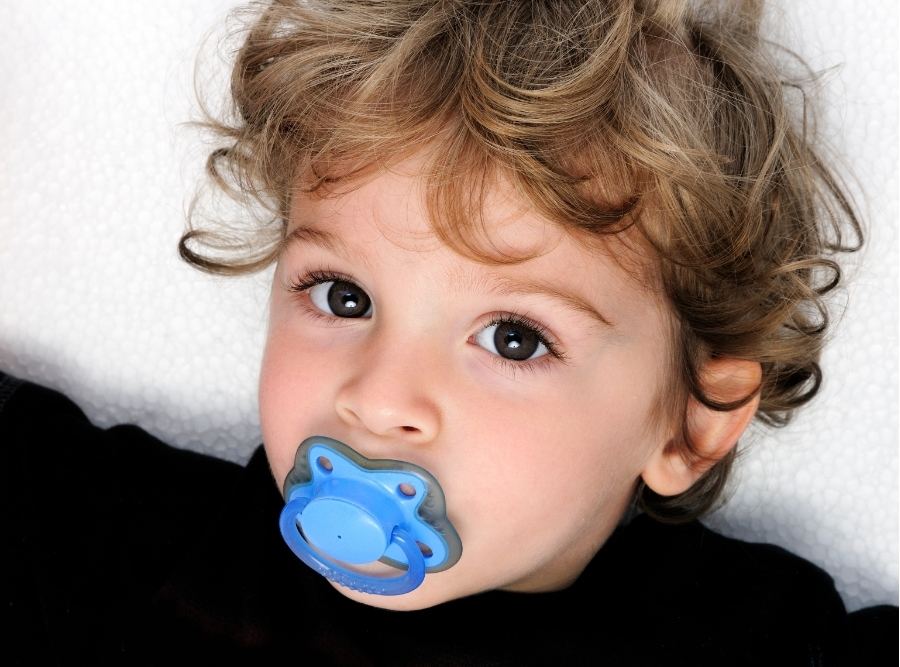
Not every child with a sucking habit will develop orthodontic issues. But when habits persist long-term, certain bite patterns become more likely.
Open Bite
An open bite occurs when the front teeth don’t touch when the back teeth are closed. This can affect:
- Chewing
- Speech
- Tooth wear
Protruding Front Teeth
Constant pressure from a thumb or pacifier can push upper front teeth forward over time.
Narrow Palate
The roof of the mouth may develop more narrowly when the tongue is displaced by a habit, potentially affecting space for adult teeth.
Bite Imbalances
Over time, habits can influence how the upper and lower teeth fit together.
It’s important to note: these changes often develop gradually, not suddenly and early awareness makes them easier to manage.
Gentle Strategies Parents Can Try (Without Stress or Shame)
Praise progress rather than focusing on setbacks, and celebrate small wins such as shorter duration or fewer times per day.
Habit Tracking
Simple visual trackers can help kids feel involved and motivated, including sticker charts, calendar checkmarks, and small rewards for milestones.
Build New Routines
Replacing the habit—not just removing it can help, such as holding a stuffed animal, reading before bed, or using relaxation routines.
Address Triggers
Many kids suck their thumb or use a pacifier when they are tired, anxious, or overstimulated. Supporting emotional regulation can reduce reliance on the habit naturally.
When Habit Appliances Are Considered (High-Level Overview)
If a habit persists and begins affecting dental development, orthodontists may discuss habit appliances.
These are gentle reminders, not punishments, designed to discourage the habit rather than force change, and are temporary and carefully timed.
Habit appliances are not always necessary and are usually considered only when the child is developmentally ready, the habit is consistent and resistant to other strategies, and dental changes are becoming noticeable.
The goal is support—not pressure.
What to Expect From an Orthodontic Assessment
An orthodontic evaluation for thumb sucking or pacifier concerns is typically calm and informational.
Orthodontists may assess bite alignment, jaw width, tooth position, age and growth stage, and habit frequency and timing. In many cases, the recommendation may simply be continued monitoring, habit guidance, or timing a follow-up visit.
Early visits are about planning and prevention, not immediate treatment.
Frequently Asked Questions
Reassurance for Parents
Thumb sucking and pacifier use are not parenting failures. They’re common, comforting habits and in many cases, they resolve naturally.
What matters most is timing, awareness, and support.
If you’re unsure whether your child’s habit is something to watch or act on, an orthodontic consultation can provide clarity without pressure.
Confidence and Clarity for Your Child’s Growing Smile
Thumb sucking and pacifier use are common early childhood habits, and many children grow out of them naturally. When a habit continues longer than expected or starts affecting the bite, an early orthodontic evaluation can help parents understand what is normal and what may need attention.
At Miler Orthodontics, families get calm, practical guidance without pressure. Our team can evaluate your child’s bite, jaw growth, and tooth development, then explain whether monitoring, habit support, or future treatment may be recommended.
Schedule an early orthodontic evaluation with Miler Orthodontics to get clear answers about your child’s thumb sucking, pacifier use, and growing smile.