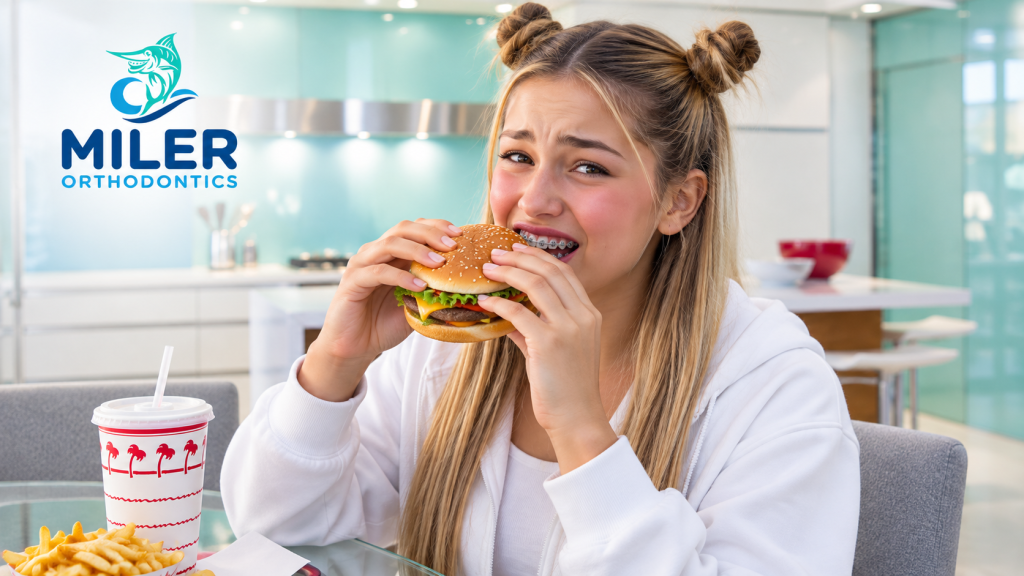
Quick Answer: A school lunch after braces should include foods that are soft, easy to chew, and unlikely to damage brackets or wires. Soft sandwiches, pasta, yogurt, eggs, and ripe fruit are practical options. During the first few days after braces are placed or adjusted, cutting firmer foods into smaller pieces can also make lunch more comfortable.
What Makes a Good School Lunch After Braces?
A good school lunch after braces should be easy to chew but still filling enough to get your child through the school day. Familiar meals can often stay on the menu with small changes, such as choosing softer bread, cutting sandwiches into smaller pieces, or slicing firmer foods instead of having your child bite into them whole. If your child has just started metal braces, texture matters more than creating an entirely different diet.
What Are Some Easy School Lunch Ideas for Kids With Braces?
Start with foods your child already likes and adjust how they are prepared. A soft sandwich with yogurt and applesauce, pasta with shredded chicken and soft fruit, or hummus with soft pita and a banana can all work well. Try to include a source of protein, a softer carbohydrate, and fruit or another easy side so the meal is still filling.
Which Lunch Foods Are Easier With Braces?
| Usually Easier to Pack | Better to Modify or Skip |
|---|---|
| Soft sandwich cut into pieces | Hard or crusty sandwich rolls |
| Pasta or macaroni and cheese | Hard taco shells |
| Yogurt or cottage cheese | Hard granola bars |
| Banana, melon, or applesauce | Whole apples or pears |
| Hummus with soft pita | Hard pretzels |
| Eggs or tuna salad | Nuts or popcorn |
Many foods do not have to be removed completely. They may simply need to be prepared differently. Apples and pears can be sliced into smaller pieces, while firmer vegetables can be cooked until softer rather than packed raw and crunchy.
What Should You Pack When Your Child’s Teeth Feel Sore?
The first few days after braces are placed or adjusted can make chewing uncomfortable. Choose foods that require less biting and chewing, such as yogurt, soft pasta, eggs, applesauce, smoothies, or a soft sandwich cut into smaller pieces. If your child normally packs a turkey sandwich, chips, and an apple, keep the sandwich but cut it into smaller pieces, replace the chips with a softer side, and slice the apple thinly or use applesauce.
How Can You Make Lunch Filling Without Hard Foods?
Soft lunches can still be filling when they include a protein source. Eggs, yogurt, hummus, tuna salad, cottage cheese, creamy peanut butter if permitted at school, and soft meats can all be paired with fruit and a softer carbohydrate. Parents looking for broader information about orthodontic treatment for younger patients can also review children’s orthodontics.
What Should Your Child Choose in the School Cafeteria?
Children can usually eat school cafeteria food with braces, but they may need to pay more attention to texture. Softer entrees, rice dishes, cooked vegetables, yogurt, pasta, and soft sandwiches are usually easier to manage than hard or crunchy foods. If the cafeteria serves whole apples, raw carrots, hard pizza crust, or crunchy snacks, your child may need to cut the food into smaller pieces or choose another option.
What Should Kids Drink With Lunch While Wearing Braces?
Water is a simple everyday choice because it does not leave added sugar around brackets and wires. If your child has a sweetened drink with lunch, rinsing with water afterward can help clear some of the residue until they can brush.
Frequently Asked Questions About School Lunch After Braces
What Should You Do Next?
For the first few school lunches after braces, start with foods your child already likes and adjust how they are prepared. Choose softer textures, cut firmer foods into smaller pieces, include a filling source of protein, and avoid foods that are hard, sticky, or very crunchy.
Have questions about what your child can eat after getting braces? Miler Orthodontics can explain how to manage meals during the adjustment period and what foods may be easier on sore teeth. Call or text the Bluffton office at 843-815-2521 or use the Miler Orthodontics contact page to schedule an evaluation.