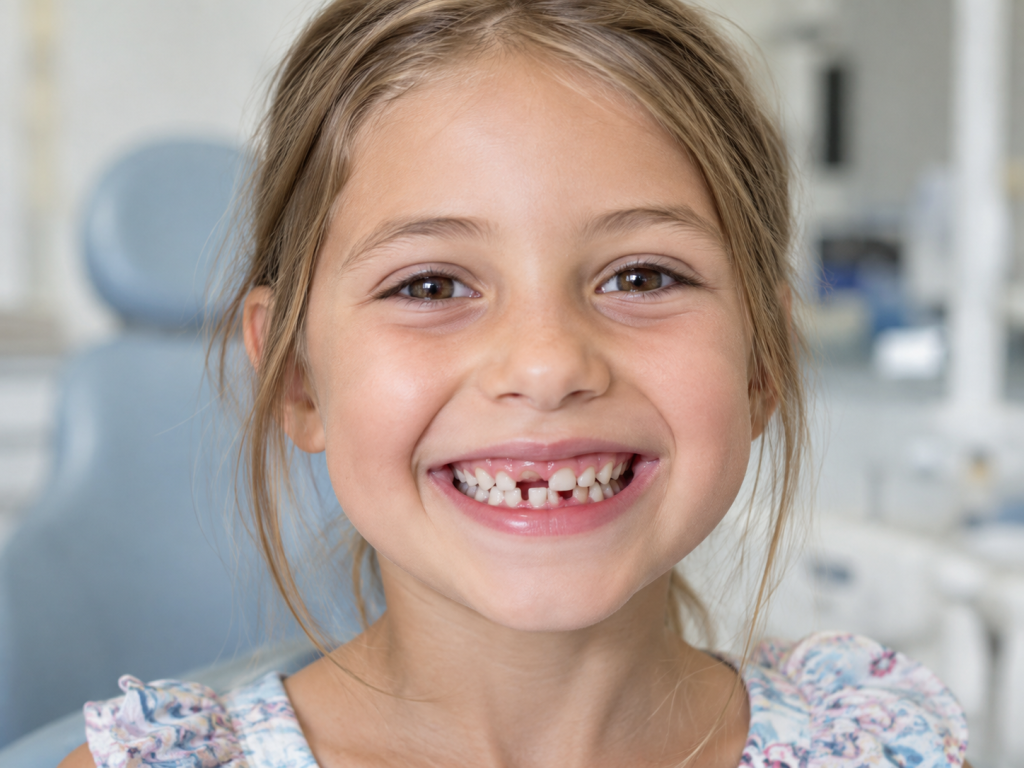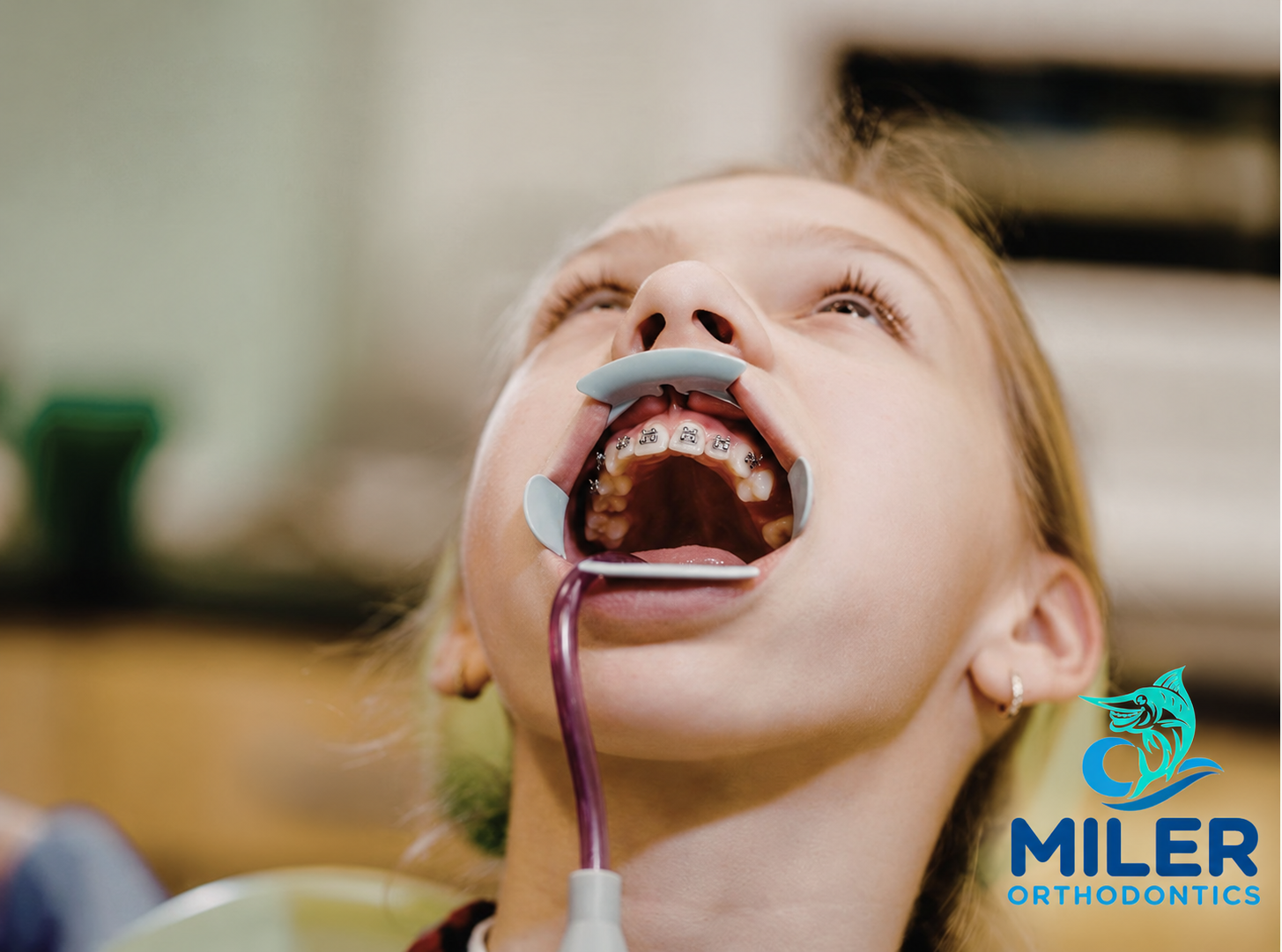
The best age for braces is typically between ages 11 and 14, when most permanent teeth have come in and the jaw is still developing. However, some children benefit from an earlier evaluation around age 7, while others may start treatment later depending on their specific needs. The right timing ultimately depends on your child’s growth, bite, and overall orthodontic development.
One of the most common questions parents in Bluffton ask is whether they are starting too early or already too late when it comes to braces. It is a natural concern, especially for families managing school schedules, sports commitments, and the pace of daily life across areas like Buckwalter, New Riverside, and Old Town. Many parents assume there is a single “correct” age, but orthodontic timing is not defined by a number alone. Instead, it is based on how a child’s teeth and jaw are developing together, and whether early guidance can improve long-term outcomes. Understanding that distinction is what allows families to make more confident and informed decisions.
Why Timing Matters More Than Age
Orthodontic treatment is about more than straightening visible teeth; it involves guiding how the teeth, jaw, and bite function together over time. Because of this, orthodontists evaluate growth patterns rather than focusing solely on age. Two children of the same age can have very different orthodontic needs depending on how their permanent teeth are erupting and how their jaw is developing. In some cases, early intervention can simplify treatment by addressing issues before they become more complex, while in other cases, waiting allows treatment to be completed more efficiently during a key stage of growth.
This is particularly relevant for families in Bluffton, where proactive healthcare decisions are common and parents often want to plan ahead. In many cases we see locally, children are referred by their general dentist around age 7, even if treatment does not begin until several years later. Early awareness does not necessarily mean early braces, but it does provide valuable insight into how a child’s smile is developing. That insight helps prevent surprises and allows for more strategic timing when treatment does begin. Ultimately, timing is about working with the body’s natural development rather than reacting after problems have fully formed.
What Most Parents Don’t Realize About Braces Timing
Many parents assume braces should begin once all permanent teeth have come in, believing that waiting ensures the most complete and efficient treatment. In reality, some of the most important orthodontic decisions happen before that stage, when growth can still be guided rather than corrected later. When issues like jaw imbalance or crowding are addressed early, treatment often becomes simpler and more predictable.
This does not mean every child needs early treatment, but it does highlight why early evaluation matters. Waiting until problems are fully developed can sometimes limit treatment options or make correction more involved. Understanding this distinction helps parents shift from a reactive approach to a more proactive one, which is often where the best outcomes are achieved.
Understanding the Two Phases of Orthodontic Treatment
Orthodontic care is often divided into two phases, depending on the child’s needs and the timing of development. This approach allows orthodontists to address certain issues early while reserving comprehensive treatment for the most effective stage of growth. Not every patient requires two phases, but understanding how they work helps clarify why timing can vary.
The first phase typically occurs between ages 7 and 10 and focuses on early intervention. During this stage, orthodontists may guide jaw growth, create space for permanent teeth, or correct habits that could lead to more significant issues later. Appliances such as palatal expanders or space maintainers are often used instead of full braces, especially when addressing structural concerns rather than alignment alone.
The second phase usually takes place between ages 11 and 14, when most permanent teeth have erupted and the jaw is still developing. This is the most common time for braces because it allows orthodontists to align the teeth and correct the bite with greater efficiency. For teens in Bluffton, this timing also fits naturally into school life, making it easier to manage treatment alongside academics and extracurricular activities.
What Happens If You Wait Too Long?
Parents often wonder whether delaying braces will create problems later, and the answer depends on the specific case. In some situations, waiting does not significantly affect the outcome, particularly if the concerns are mild and primarily cosmetic. However, in more complex cases, postponing treatment can make correction more difficult and may require additional procedures.
For example, severe crowding can reduce the space available for permanent teeth, sometimes leading to impacted teeth or the need for extractions. Bite problems such as deep bites or crossbites may also become more pronounced over time and harder to correct once growth slows. These are the types of situations where early evaluation can make a meaningful difference in both treatment complexity and long-term stability.
Signs Your Child May Be Ready for Braces
While age provides a general guideline, there are several practical signs that often indicate a child may benefit from an orthodontic evaluation. Parents frequently notice teeth coming in crooked, visible crowding, or gaps that do not seem to be closing naturally. Other indicators include difficulty chewing, protruding front teeth, or a child frequently biting the inside of their cheek or tongue.
In many cases, a general dentist will recommend an orthodontic evaluation based on early observations during routine visits. These referrals are common in Bluffton and often serve as the starting point for families who are unsure whether treatment is necessary. Even when immediate treatment is not required, an evaluation provides clarity and allows for a more proactive plan moving forward.
If you are noticing any of these signs and are unsure what they mean, scheduling an orthodontic evaluation can give you clear answers without committing to treatment. This step helps remove uncertainty and ensures that you are making decisions based on professional guidance rather than guesswork.
A Common Mistake Parents Make
One of the most common situations we see is parents waiting until all permanent teeth have erupted before scheduling an orthodontic evaluation. While this may seem like a logical approach, it can sometimes delay opportunities for early intervention that would make treatment more efficient. Many orthodontic issues develop gradually, and by the time they are fully visible, they may require more involved correction.
Early evaluations do not mean braces will start immediately. In many cases, children are simply monitored over time until the ideal moment for treatment. This monitoring phase allows orthodontists to track growth, anticipate changes, and plan treatment more effectively. It also helps avoid unnecessary treatment while ensuring that important windows of opportunity are not missed.
Braces and Treatment Options for Teens
When it is time to begin treatment, families often explore the different types of braces available. Traditional metal braces remain one of the most effective solutions, particularly for complex cases involving crowding, bite correction, or impacted teeth. Modern systems have improved comfort and efficiency, making them far more manageable than many parents expect.
For teens who are concerned about appearance, clear ceramic braces provide a more discreet option while still delivering the same level of control. In some cases, aligner-based treatments may also be considered, depending on the complexity of the case and the patient’s level of responsibility.
The right choice depends on the individual patient’s needs and goals. What matters most is selecting a treatment that provides reliable, long-term results while fitting into the patient’s lifestyle.
How Braces Fit Into Life in Bluffton
Orthodontic treatment becomes part of a family’s routine, and in Bluffton, that routine often revolves around school schedules, sports, and commuting patterns. Traffic along US-278 and the flow of daily life through Buckwalter Parkway can make convenience an important factor in maintaining consistency with treatment.
Parents frequently coordinate appointments around school pickup, extracurricular activities, and errands in areas like Buckwalter Place or Belfair Towne Village. This makes accessibility and scheduling flexibility essential when choosing an orthodontic provider. When treatment fits naturally into daily life, patients are more likely to stay consistent, which directly impacts results.
So What Should You Do as a Parent?
With so much information, it helps to simplify the decision into a few clear steps. If your child is under the age of 10, the best move is to schedule an initial evaluation to understand how their teeth and jaw are developing. This does not commit you to treatment but gives you a clear baseline moving forward.
If your child is between 11 and 14, they are likely in the most common and effective window for braces, especially if permanent teeth have already come in. At this stage, treatment can often be completed efficiently while growth is still working in your favor.
If you are unsure at any age, the most valuable step is simply getting professional guidance. Orthodontic timing becomes much clearer once you understand your child’s specific development, and that clarity removes much of the guesswork from the decision.
What Happens at Your Child’s First Orthodontic Visit
For many parents, uncertainty about the first visit can delay scheduling an evaluation. In reality, the process is straightforward and designed to provide information, not pressure. The initial appointment typically includes an examination of the teeth and bite, along with digital scans or X-rays if needed.
From there, the orthodontist will discuss what they see, whether treatment is needed, and the ideal timing if it is not yet necessary. In many cases, families leave the first visit simply with a better understanding of their child’s development and a plan for monitoring progress. This makes the first step feel much more manageable and helps parents move forward with confidence.
Why Bluffton Families Choose Miler Orthodontics
In a community like Bluffton, families often rely on recommendations from neighbors, school networks, and local groups when choosing healthcare providers. Orthodontic care is a long-term commitment, and trust plays a central role in that decision.
At Miler Orthodontics, treatment is built around precision, experience, and a strong understanding of patient needs. From early evaluations to comprehensive care, each plan is designed to support both immediate progress and long-term results. The practice also understands the realities of life in Bluffton, including busy schedules, commuting patterns, and the importance of convenience for families.
Frequently Asked Questions About Braces Timing
Does starting braces earlier reduce the overall cost in Bluffton, SC?
In some cases, early orthodontic evaluation in Bluffton can reduce the complexity and potentially the cost of treatment later on. When certain issues like crowding or jaw imbalance are addressed early, they may prevent more involved correction in the teen years. However, not every child needs early treatment, and starting too soon without a clear need can add unnecessary phases. The goal at Miler Orthodontics is to time treatment so it’s efficient, not just early.
Will braces interfere with school or sports in Bluffton?
Braces are designed to fit into a child’s routine, including school and extracurricular activities common in Bluffton. Students at schools like May River High or Bluffton High can continue participating in sports and events, with minor adjustments such as wearing a mouthguard for contact sports. Most patients adapt quickly, and appointments can often be scheduled around school or activities. Consistency is key, but treatment should not disrupt daily life.
Should I take my child to an orthodontist at age 7 in Bluffton?
Yes, age 7 is the recommended time for an initial orthodontic evaluation, even if braces are not needed yet. In Bluffton, many children are referred by their dentist at this stage to assess how their teeth and jaw are developing. Early visits are typically focused on monitoring rather than immediate treatment. This proactive approach helps avoid surprises and ensures the best timing later on.
Start with a Simple, Stress-Free Evaluation
If you’re unsure whether your child is at the right age for braces, the best next step is scheduling an orthodontic evaluation. This provides clear guidance on timing, treatment options, and what to expect moving forward, without pressure to begin treatment immediately.
At Miler Orthodontics, you’ll receive a personalized assessment designed to help you make confident, informed decisions about your child’s care. That way, you can move forward knowing you are choosing the right timing, not just the most convenient one.