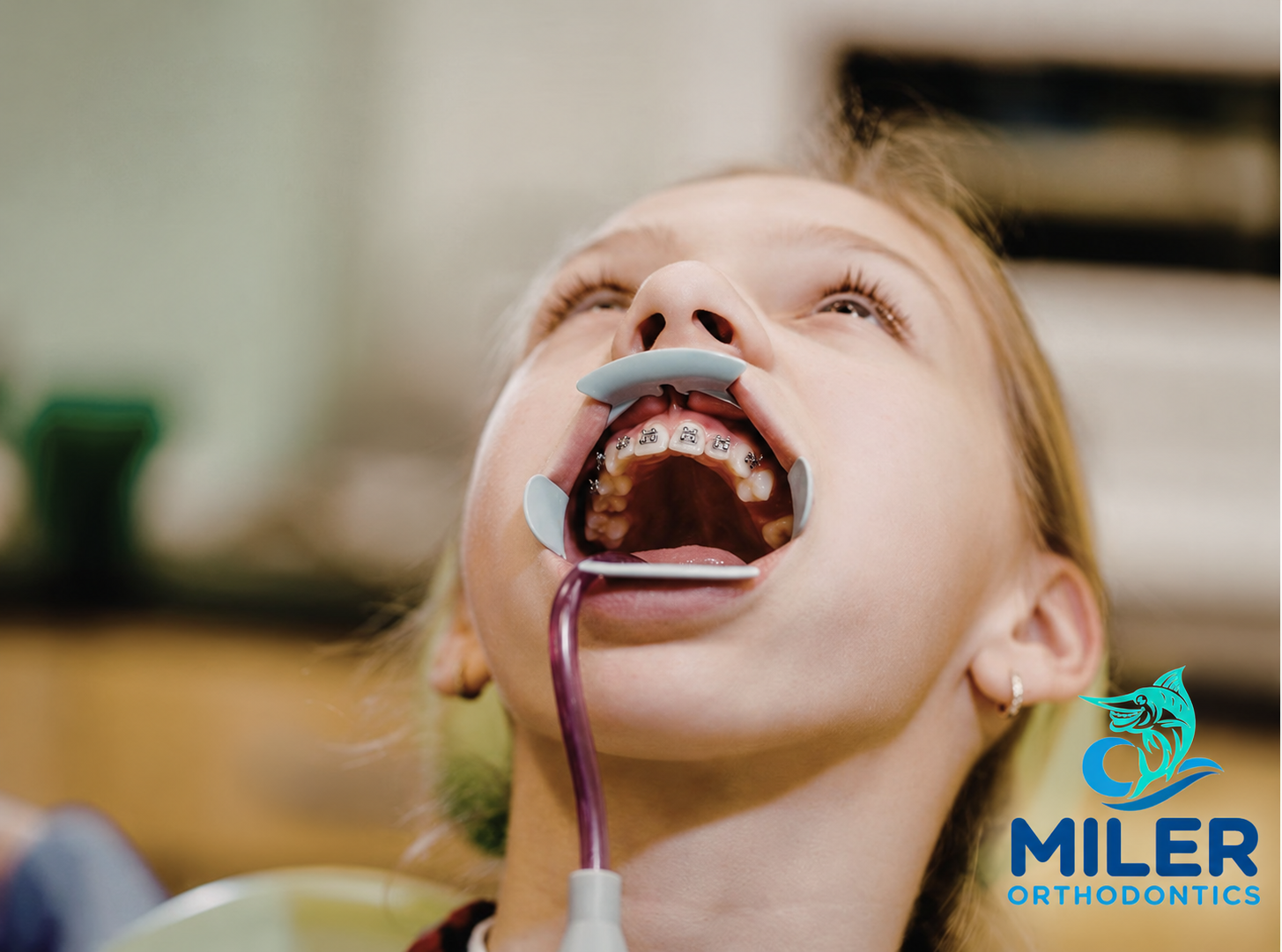
Quick Answer: The best age for braces is often between 11 and 14, but there is no single right age for every child. Some children may need an orthodontic evaluation around age 7, while others may not be ready for braces until later. The right timing depends on permanent tooth eruption, bite development, available space, and jaw growth.
Why Does Timing Matter More Than Age?
Two children can both be 12 and still need very different treatment plans. One may already have most permanent teeth in place and be ready for braces, while another may still have several baby teeth and need more time. Orthodontists look at tooth eruption, available space, bite position, and jaw growth instead of choosing treatment based only on age. In children’s orthodontics, these developmental changes help determine whether a child needs monitoring, earlier treatment, or braces later.
Why Is Age 7 Important if Most Children Do Not Get Braces Then?
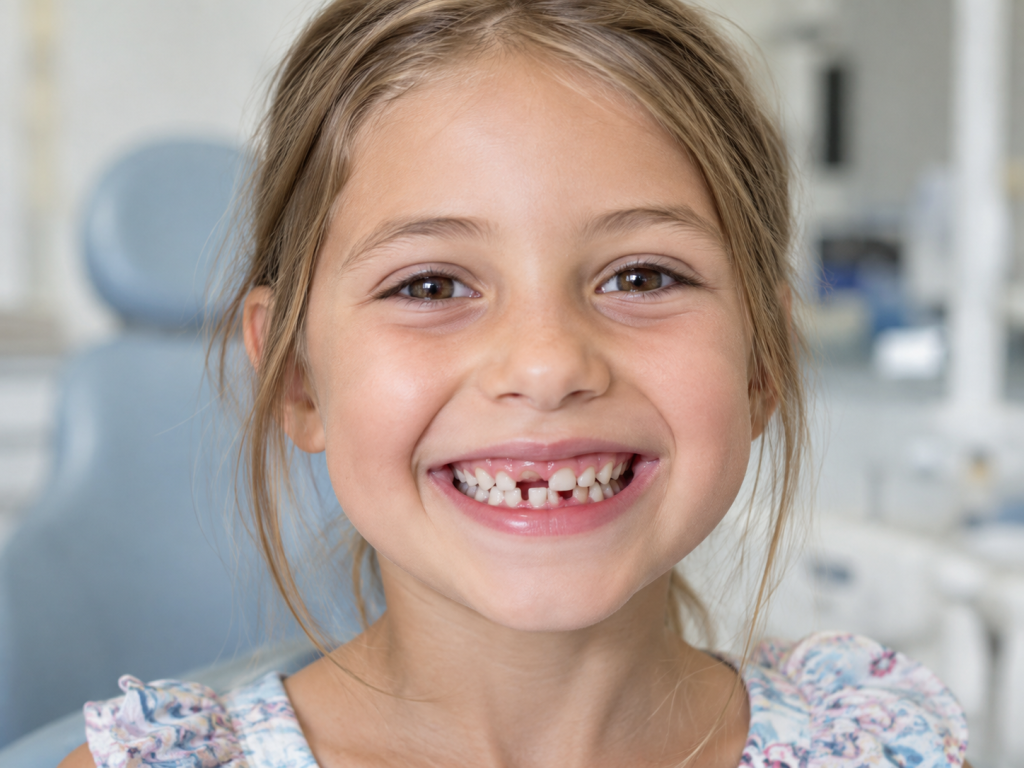
Age 7 is mainly an evaluation point, not a standard age for starting braces. At this stage, children often have a mix of baby teeth and permanent teeth, which helps an orthodontist see how the teeth and jaws are developing. For example, a 7-year-old with a crossbite or a permanent tooth erupting in the wrong position may need closer monitoring, while another child with normal development may simply return for future checks. Seeing an orthodontist by age 7 can help identify these developing concerns before treatment decisions are made.
At What Age Do Children Usually Get Braces?
Many children begin braces between ages 11 and 14 because more permanent teeth have usually erupted while the jaws may still be growing. For example, a 13-year-old with most adult teeth in place, noticeable crowding, and an overbite may be ready for metal braces, while another 13-year-old with several teeth still erupting may need more time. The goal is to begin treatment when the teeth and bite are ready, not simply because a child has reached a certain birthday.
What Determines When a Child Is Ready for Braces?
An orthodontist checks how many permanent teeth have erupted, whether those teeth have enough room, how the upper and lower teeth meet, and how the jaws are growing. A child with mildly crooked front teeth may not need treatment right away if the rest of the bite is developing normally, while a child with a crossbite, blocked tooth, or severe crowding may need attention sooner. These differences are why readiness for braces can vary even between children of the same age.
Can a Child Get Braces Before All Permanent Teeth Come In?
Yes, but there should be a clear reason to start treatment earlier. A child with a blocked tooth, severe crowding, or a developing bite problem may need orthodontic care before every permanent tooth has erupted. A child with mild crookedness and normal bite development may be better off waiting until more teeth come in. The decision depends on the problem being treated rather than simply on how many baby teeth remain.
What Is the Difference Between Early Treatment and Full Braces?
Early orthodontic treatment may be used while a child still has both baby and permanent teeth when there is a specific concern with tooth eruption, spacing, the bite, or jaw growth. For example, an expander may be considered for a child with a narrow upper jaw, while full braces may be delayed until more permanent teeth have erupted. Not every child needs two stages of treatment, and many children are monitored until comprehensive braces become appropriate.
What Signs May Mean a Child Should See an Orthodontist?
Crowded or crooked teeth, large gaps, delayed tooth eruption, front teeth that stick out, trouble chewing, or a bite that does not line up normally can all be reasons for an evaluation. For example, if the lower teeth sit outside the upper teeth when a child bites down, or one permanent tooth has not appeared while the matching tooth on the other side already has, it may be worth having the development checked.
What Happens if a Child Is Not Ready for Braces?
If braces are not needed yet, the orthodontist may recommend monitoring instead of treatment. A 9-year-old with mild crowding, for example, may return periodically while more permanent teeth erupt rather than starting braces right away. These follow-up visits allow the orthodontist to track tooth eruption, bite changes, and jaw growth so treatment can begin when there is a clear orthodontic reason.
When Do Braces Become More Common for Teenagers?

The teen years are a common time for comprehensive orthodontic treatment because most permanent teeth are usually present and the full bite is easier to evaluate. A 13-year-old with crowded teeth and an overbite may be ready for braces, while another teen with only minor alignment concerns may need a different plan. Orthodontics for teens may include braces or other treatment options based on the teen’s teeth, bite, and treatment needs.
What Happens at a Child’s First Orthodontic Visit?
The first visit is mainly about finding out how the teeth, bite, and jaws are developing and whether treatment is needed. The orthodontist examines the mouth and may use scans or X-rays when needed. A family may leave with one of three recommendations: begin treatment, monitor development, or return later for another check. This keeps the decision focused on the child’s actual development rather than a fixed age.
Frequently Asked Questions About the Best Age for Braces
How Can You Know When the Time Is Right?
The best age for braces depends on your child’s teeth, bite, and jaw development rather than one exact birthday. If you are unsure whether treatment should begin now or later, request a braces consultation or use the Miler Orthodontics contact form. You can also call or text the Bluffton office at 843-815-2521.