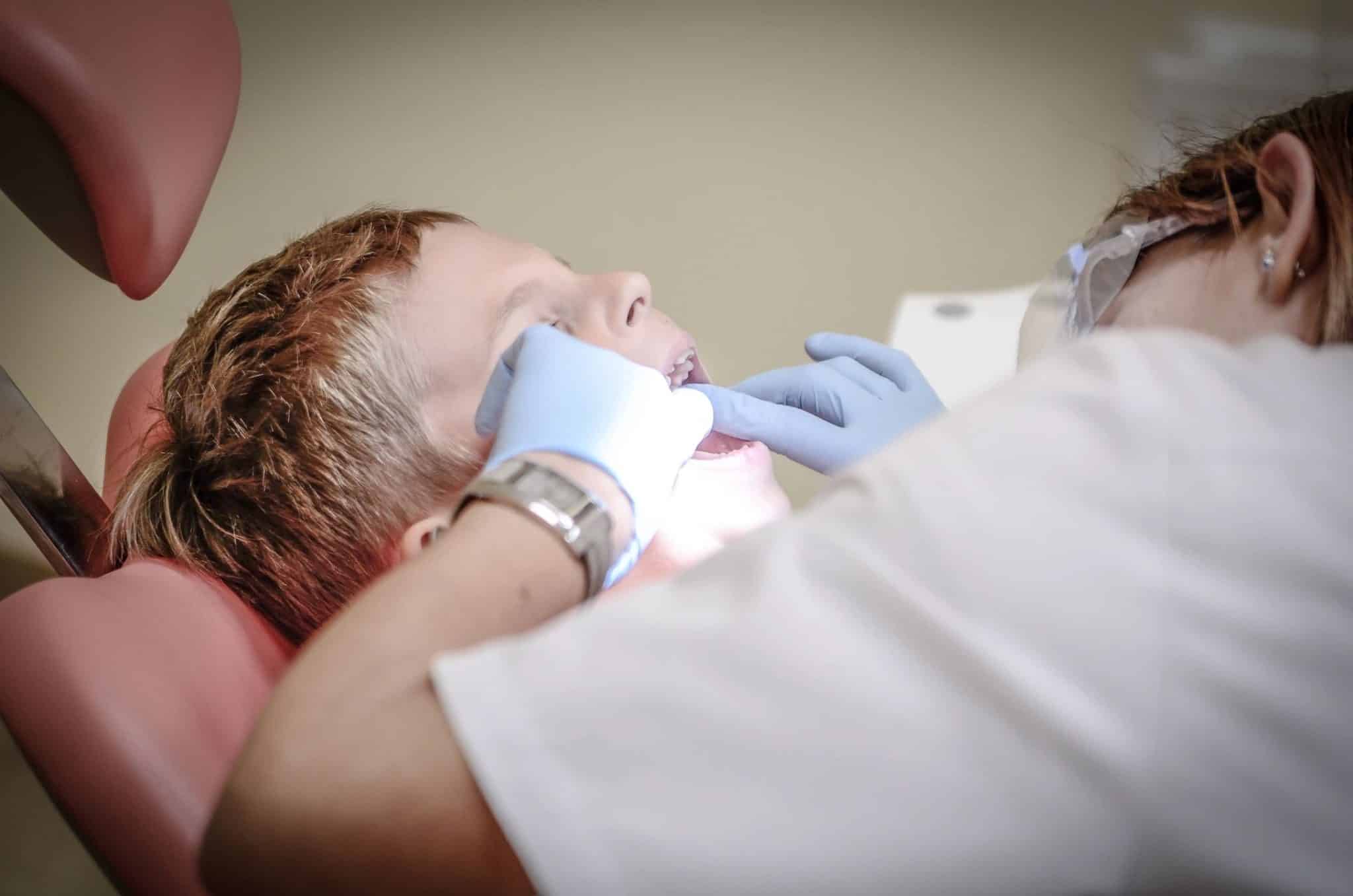
Quick Answer: Children should have an orthodontic checkup by age 7, but many do not need treatment right away. Early treatment is considered when addressing a developing bite, jaw, or tooth-eruption problem during growth may provide a clear benefit.
Why Is Age 7 Recommended?
The American Association of Orthodontists recommends that children have their first orthodontic checkup no later than age 7. At this age, many children have both baby teeth and permanent teeth, allowing the orthodontist to evaluate how the teeth, bite, and jaws are developing. A child may need to be seen sooner if a parent or dentist notices difficulty biting, early or late loss of baby teeth, an underbite, crossbite, severe crowding, or teeth coming in at unusual angles.
An early checkup does not mean a child will leave with braces. In many cases, the orthodontist recommends observation until treatment would offer a clearer benefit.
What Is Early Orthodontic Treatment?
Early orthodontic treatment, sometimes called Phase 1 or interceptive treatment, begins while a child still has some baby teeth. It may be recommended when treatment during growth could help guide jaw development, improve how the teeth fit together, or create a clearer path for permanent teeth.
Phase 1 is not meant to create a finished adult smile. Its purpose is to address a specific developing problem at a useful stage of growth. Some children may still need another phase after more permanent teeth come in, while others may receive all necessary care later in one phase.
Starting earlier is not always better. The timing should depend on whether treatment during growth offers an advantage that may be reduced or unavailable later.
Which Problems May Benefit From Early Treatment?
Early treatment may be considered for selected crossbites, underbites, narrow jaws, severe crowding, eruption problems, or oral habits when acting during growth offers a clear advantage. Not every crooked tooth, small gap, or mild crowding problem needs immediate care.
For example, an orthodontist may recommend early treatment when a crossbite affects how the jaws close or when a permanent tooth is blocked, coming in at an unusual angle, or does not appear to have enough space to erupt normally. The provider should identify the specific problem and explain why treating it now may be more useful than waiting.
What Happens If Treatment Is Not Needed Yet?
Many children are placed under observation instead of beginning treatment. During follow-up visits, the orthodontist can watch how baby teeth are being lost, how permanent teeth are coming in, whether the jaws are developing evenly, and whether enough space is available.
Observation is an active plan, not simply doing nothing. The orthodontist is watching for specific changes and waiting for the stage when treatment would be most useful. Monitoring does not mean treatment is inevitable.
Parents should ask how often visits are needed, what changes are being tracked, and what would cause the recommendation to change.
What Should Parents Ask Before Starting Phase 1 Treatment?
Ask what problem is being treated, why now is the right time, what Phase 1 is expected to accomplish, what may happen if you monitor instead, and whether another phase is likely after more permanent teeth come in.
The orthodontist should explain the expected benefits and limits without promising that early care will prevent all future treatment or eliminate the need for another phase. Results vary based on the child’s diagnosis, growth, and response to care.
How Can Parents Compare Treatment Plans?
If the recommendation is unclear or involves significant time or expense, seeking a second orthodontic opinion is reasonable. Two orthodontists may recommend different timing or approaches, so ask each provider to explain the diagnosis, the benefit of acting now, what could happen if you wait, and the limits of the plan.
Do not choose treatment based only on promises of a shorter timeline, lower future cost, or a particular appliance. The diagnosis and timing should guide the decision.
How Miler Orthodontics Approaches Early Evaluations
The purpose of an early evaluation is not to find a reason to start treatment. It is to determine whether growth creates a useful window for addressing a specific problem or whether monitoring is the better choice.
Miler Orthodontics evaluates each child’s teeth, bite, eruption pattern, and jaw development before recommending treatment or observation. Parents should understand why a plan is being recommended and what the orthodontist expects it to accomplish.
Schedule an Early Orthodontic Evaluation
Schedule an early orthodontic evaluation with Miler Orthodontics to learn whether your child needs treatment now, should be monitored, or does not currently need orthodontic care.
Bluffton office: 843-815-2521
Beaufort office: 843-379-9200
This article is for general educational purposes and does not replace an individual dental or orthodontic evaluation.